

Головна »
Trust in institutions and increasing the use of the Ukrainian language in everyday life
Ukrainians continue to trust national institutions: the Armed Forces of Ukraine, volunteer organizations, and the President of Ukraine. Despite the difficult circumstances of a full-scale war, these institutions remain at the top of citizens’ trust.
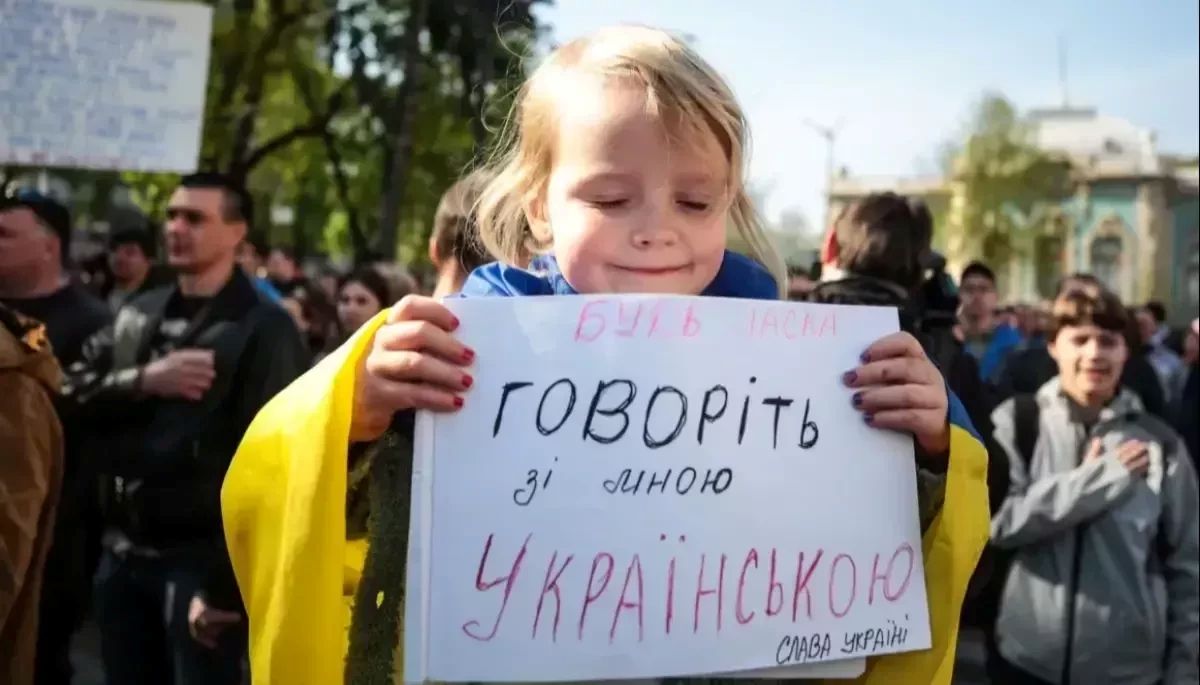
Interestingly, during the war, not only has trust in state bodies been strengthened, but also social changes related to the language issue have been observed. Over the past few years, there has been a significant transition to the Ukrainian language in everyday life. If in April 2022, 53% of citizens communicated in Ukrainian in everyday life, then by the end of 2024 this figure had grown to 69%. This indicates a deeper integration of the Ukrainian language into all spheres of life.
As sociologist Yevgenia Blyznyuk, founder of Terra U, notes, Ukrainian society is currently going through a difficult process of adaptation to the long-term challenges associated with the war. “We are watching how Ukrainian society is trying to adapt to the long-term challenges of the war. The stabilization of migration sentiment and the gradual return to work of most citizens are indicators of this adaptation, but high levels of stress and fatigue remain key emotional states. Belief in victory remains, but the sharp increase in hopes for the end of the war this year betrays a high level of war fatigue and hope for the strength of partners. These sentiments indicate that society has generally accepted the realities of the marathon of a long war but is sensitive and hopeful about any hints of its possible end,” notes Yevgenia.
These changes are important indicators of how society is trying to accept the realities of a long war while maintaining hope for its quick end. The increase in hopes that hostilities may end as early as 2025 indicates a strong emotional impact of the war and people’s desire to return to normal life.
Thus, the transition to the Ukrainian language and growing trust in state institutions are positive signals of Ukrainians’ adaptation to new conditions and the understanding that the war is likely to be a long marathon and recovery is a complex and lengthy process.
The study was conducted by Terra U in cooperation with Gradus Research and consists of eleven waves of research on the attitudes of Ukrainians during the war: Wave I — February 28-March 1, 2022; Wave II — March 8, 2022; Wave III — March 28, 2022; Wave IV — April 20, 2022; Wave V — May 23, 2022; Wave VI — July 28-30, 2022; Wave VII — December 27-30, 2022; Wave VIII — April 24-25, 2023; Wave IX — December 20-23, 2023; Wave X — June 17-21, 2024; Wave XI — December 23-25, 2024. The sample reflects the population structure of cities with more than 50 thousand residents aged 18-60 by gender, age, settlement size, and region, excluding the temporarily occupied territories and territories of active hostilities. Sample size in the eleventh wave of the survey: 1100 respondents.